

Many drivers earn from both Uber and DoorDash, sometimes in the same evening, and then wonder whether they need a separate insurance policy for each app. The direct answer is no. In most cases, one endorsement usually covers every app you drive for, because a rideshare or delivery endorsement attaches to your car and your driving activity, not to a company logo on your phone screen. What matters to your insurer is that the vehicle is used for paid gig driving, not which app sent the order. This guide explains how single policy multi app coverage works, what to tell your insurer, what it costs, and where the tricky edge cases hide.
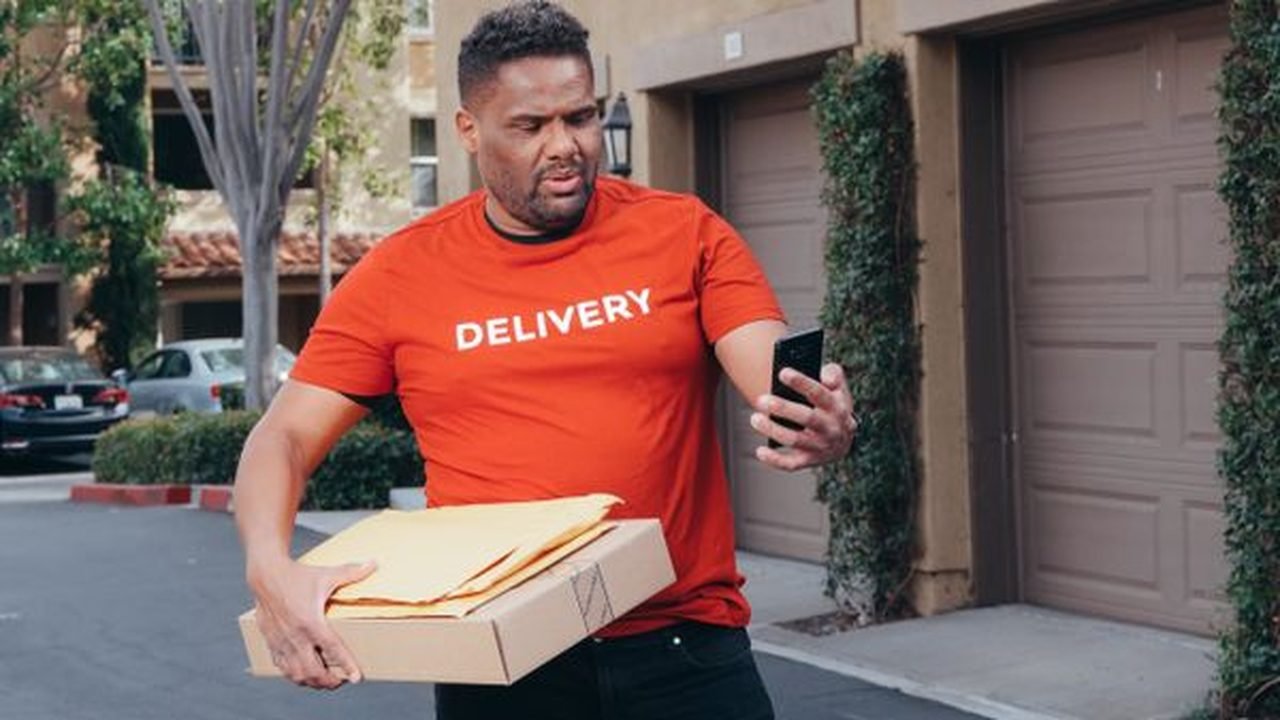
Video: The Side Hustle Trap: Uber, DoorDash, and Airbnb Insurance
The Short Answer Is Yes
Yes, you can drive for Uber and DoorDash with the same insurance policy. A standard personal auto policy plus a rideshare or delivery endorsement generally covers you across Uber, Uber Eats, Lyft, DoorDash, Instacart, and similar platforms at the same time. The endorsement modifies your personal policy to allow commercial gig activity, and gig activity is gig activity regardless of which app is open. Industry guidance from 2026, including analysis published by Everlance, confirms that these endorsements are tied to your vehicle use rather than to one specific platform. The one firm requirement is disclosure: your insurer needs to know you drive for gig apps, ideally all of them, so the policy is rated correctly.
Why One Policy Is Enough
Insurance policies insure a vehicle, a listed driver, and a described use of the vehicle. They do not insure relationships with tech companies. When you add a rideshare endorsement, you are telling the insurer that the described use now includes app based passenger and delivery work, and the insurer reprices the risk accordingly. Whether the ping came from Uber or DoorDash does not change the underlying risk the insurer agreed to take. This is why agents routinely write one endorsement for drivers who multi app across three or four platforms. The platforms themselves each carry their own commercial policies for their drivers, and those sit alongside your personal policy, but your personal policy remains the foundation, and one properly endorsed foundation supports every app.
What to Tell Your Agent
The practical step is a short, honest conversation. Tell your agent or insurer that you drive for Uber and DoorDash, and name any other apps you use or might use, such as Lyft, Uber Eats, Instacart, or Amazon Flex. Then ask a direct question: does this endorsement cover all delivery and rideshare platforms, or is it limited in some way. Most endorsements are written broadly, but policy language varies by carrier and by state, so get the answer in writing, even if it is just a confirming email. If you add a new app six months later, send a quick update. Insurers care far more about being told late than about the number of apps, and a documented disclosure history is your best defense if a claim is ever questioned. If your current insurer does not offer a gig endorsement at all, that is a reason to shop for a new carrier, not a reason to stay quiet.
Endorsement or Commercial Policy
Two main products cover gig driving, and the right one depends on how much you drive and what you drive. Most part time multi app drivers do fine with the cheaper option.
Rideshare Endorsement
A rideshare or delivery endorsement is an add on to your existing personal auto policy. It typically costs $15 to $30 per month on top of your normal premium, based on 2026 market data, and it fills the notorious coverage gap when your app is on but you have not accepted a job yet. It also keeps your collision and comprehensive coverage valid while you are working, which is essential because platform policies generally do not fix your car. Carriers offering these endorsements include Progressive, State Farm in many states, USAA for eligible military families, and Allstate in select markets. For a driver doing 15 to 25 hours a week across two apps, this is almost always the right answer.
Commercial or Hybrid Policy
Full time drivers, drivers with leased or financed vehicles that require higher limits, and drivers whose personal insurer will not offer an endorsement may need a commercial or hybrid auto policy. These typically cost $150 to $300 per month and are built from the ground up for business use of the vehicle. They usually include personal use as well, so you do not need a second policy for groceries and school runs, but confirm that explicitly before you buy. If you are weighing vehicle choices too, it is worth reading whether you can drive for Uber with a leased car in 2026, since lease agreements add their own insurance requirements on top of everything else.
Running Two Apps at Once
Multi apping, running Uber and DoorDash simultaneously and cherry picking the best orders, is common and profitable, but it creates the one genuinely tricky insurance scenario. Platform coverage follows the active order. If you are on a DoorDash delivery, DoorDash up to $1 million liability structure applies to third parties. If you are on an Uber Eats order, Uber equivalent coverage applies. But if both apps are simply on and waiting, with no accepted order on either, neither platform provides meaningful coverage for your car, and your personal policy plus endorsement is the entire safety net. Disputes can arise about which app was active at the moment of a crash, which is why experienced multi app drivers screenshot their app status immediately after any incident. Your endorsement does not care which app was open, so it remains the constant layer underneath the shifting platform coverage. For the platform side details, compare Uber Eats coverage for your car on deliveries with DoorDash coverage for your car in accidents so you know exactly what each app does and does not do.
Platform Coverage Side by Side
A quick comparison helps you see why your own policy is the anchor. While waiting for an order, Uber Eats provides contingent liability of $50,000 per person, $100,000 per accident, and $25,000 in property damage, and DoorDash provides a similar $50,000, $100,000, and $25,000 structure plus limited uninsured motorist coverage in its Delivery Available Period. On an active delivery, both platforms step up to $1 million in third party liability. Neither platform repairs your car as a matter of course. Uber offers contingent collision and comprehensive during active deliveries if you carry those coverages personally, subject to a $2,500 deductible, while DoorDash offers no equivalent vehicle coverage for dashers. Your endorsement is what makes your personal collision coverage survive contact with delivery work on either app.
Setting It Up Step by Step
Getting this right takes less than an hour. First, call your current insurer and ask whether it offers a rideshare or delivery endorsement in your state. Second, disclose every app you drive for, including ones you only use occasionally. Third, ask for written confirmation that the endorsement covers all listed platforms. Fourth, get quotes from at least two other carriers, because gig endorsement pricing varies widely and some carriers that are expensive for standard policies are cheap for gig drivers. Fifth, keep your declarations page and the confirmation email somewhere you can find them. Sixth, revisit the setup once a year or whenever you add an app, change cars, or change how many hours you drive. Insurance is not a one time task for gig workers, because the work itself keeps changing.

FAQs
Do I need to name both apps on my policy?
You should tell your insurer about every platform you drive for, but most endorsements are written to cover gig driving generally rather than naming specific apps. The important thing is that the insurer knows the full picture. A quick email listing your apps, with a written reply confirming coverage, is all it takes.
What if I run both apps at the same time?
Only the app with the active order provides platform coverage at any moment. If neither app has an active order, your personal policy and endorsement carry the load. This is legal and common, but keep screenshots of your app status in case of a crash, since the active app question decides which platform policy responds.
Will my premium double with two apps?
No. Premiums are based on how you use the car, such as miles driven and hours worked, not on how many app icons are on your phone. Adding a second app without changing your hours usually changes nothing about your price. Driving many more hours because of the second app can change your risk tier, which is normal.
Can I add Lyft or Instacart later?
Yes. Just notify your insurer when you start, the same way you did for the first apps. Most endorsements will extend automatically, but the notification protects you if a claim adjuster ever asks when the new activity began. It takes five minutes and removes all doubt.
Does a commercial policy cover personal driving too?
Typically yes. Most commercial and hybrid auto policies for gig drivers include personal use of the vehicle, so one policy handles everything. Confirm this explicitly with your agent before buying, and check that the liability limits satisfy both your lender or lessor and your own comfort level.
A Final Word
Driving for Uber and DoorDash does not require an insurance juggling act. One honest conversation with your insurer and one properly written endorsement covers the car, the driver, and every app on the phone. The platforms add their own liability layers on top while you are on their orders, and your policy is the foundation underneath it all. Start with the Insurance Information Institute background on auto insurance, check the National Association of Insurance Commissioners guidance on rideshare rules, and review Uber official driver insurance page for the platform side. Set it up once, document it, and get back to earning.
[…] more wrinkle: many drivers run two or three apps at once. If that is your plan, read our article on driving for Uber and DoorDash with the same insurance policy so every platform stays covered without paying for the same protection twice. And keep Uber’s […]
[…] that coverage actually applies while you are working. Drivers who run several apps should know that one policy can cover both Uber and DoorDash in most cases, so multi app driving does not require multiple policies. Third, install a dashcam, […]
[…] personal coverage valid while you work. Drivers who run multiple apps should also understand that one insurance policy can cover both Uber and DoorDash, so fixing this once usually fixes it […]