

Uber applies a $2500 deductible to the contingent comprehensive and collision coverage it provides while you are en route to a pickup or on a trip with a passenger. That means you pay the first $2500 of any damage to your own car before Uber insurance contributes a dollar toward repairs. This coverage only exists if you already carry comprehensive and collision on your personal auto policy, and it pays at most the actual cash value of your car.
If you are new to rideshare driving, that number can come as a shock. A typical personal auto policy uses a $500 or $1000 deductible, so many drivers assume Uber works the same way. It does not. Understanding exactly when this deductible applies, when it does not, and what you can do to protect yourself is one of the most important financial lessons a rideshare driver can learn. This guide breaks it all down in plain language.
What the $2500 Deductible Is
A deductible is the amount you agree to pay out of your own pocket before an insurance policy starts paying. Uber maintains a large commercial auto policy that covers its drivers during active trips. For damage to your own vehicle, that policy includes what Uber calls contingent comprehensive and collision coverage, and it carries a flat $2500 deductible.
The word contingent matters. Uber coverage for your own car only activates if your personal auto policy already includes comprehensive and collision for that vehicle. If you carry liability only on your personal policy, you get no contingent collision or comprehensive coverage from Uber at all, and any damage to your car during a trip is entirely your problem. Uber states this plainly on its official insurance page for drivers, which is worth reading in full.
This coverage pays for repairs to your car up to its actual cash value, meaning what the car was worth just before the crash, not what you paid for it or what you owe on a loan. It applies no matter who caused the accident. So whether you rear ended someone or a distracted driver hit you at a red light, the same $2500 deductible applies to fixing your own vehicle.
When the Deductible Applies
Uber coverage changes with your app status, and the deductible only matters during two specific periods. To see the full picture, read our guide to insurance coverage by app status alongside this article.
Period 2: En Route to Pickup
The moment you accept a ride request, you enter Period 2. Uber commercial coverage rises sharply here. Third party liability jumps to $1,000,000, and contingent comprehensive and collision coverage switches on for your own car. From this point until the passenger exits your vehicle, the $2500 deductible is in force. If a shopping cart dents your door in a parking lot while you are heading to the pickup, or another driver sideswipes you on the way there, you are on the hook for the first $2500 of your own repair bill.
Period 3: Passenger on Board
Period 3 runs from the moment the rider gets in until you complete the trip and they get out. The coverage is identical to Period 2. Liability stays at $1,000,000, and your own car remains covered by contingent comprehensive and collision with the same $2500 deductible. Most drivers spend the bulk of their working hours in Period 3, which is why this deductible affects so many real claims.
When It Does Not Apply
The deductible does not apply during Period 1, when your app is on and you are waiting for a request. That sounds like good news, but the reason is worse. During Period 1, Uber provides no collision or comprehensive coverage for your car at all. If you are hit while waiting for a ping, there is no Uber policy to fix your car, so the deductible question never comes up. Your personal policy usually excludes commercial activity too, which leaves a real coverage gap. This is exactly why many drivers add a rideshare endorsement to their personal policy.
The deductible also does not apply to liability coverage. If you cause an accident during Period 2 or Period 3 and injure someone or damage their property, Uber pays those third party claims up to the policy limits with no deductible taken from the injured party. The $2500 only ever applies to damage to your own vehicle. For a fuller picture of who pays what in a crash, see our article on who pays for an accident during an Uber trip.
Why the Number Is $2500
Uber insures an enormous fleet of driver owned cars across the country, and a high deductible is one of the main ways the company keeps that commercial policy affordable. A lower deductible would mean Uber insurer pays out on thousands of small claims like cracked windshields and minor bumper scuffs, and those costs would flow back to drivers through lower pay or higher fees.
The high deductible also discourages small claims, which keeps the claims process focused on serious accidents. The Insurance Information Institute explains that higher deductibles are a standard tool insurers use to share risk with policyholders and keep premiums in check. For a company the size of Uber, that math is simply scaled up.
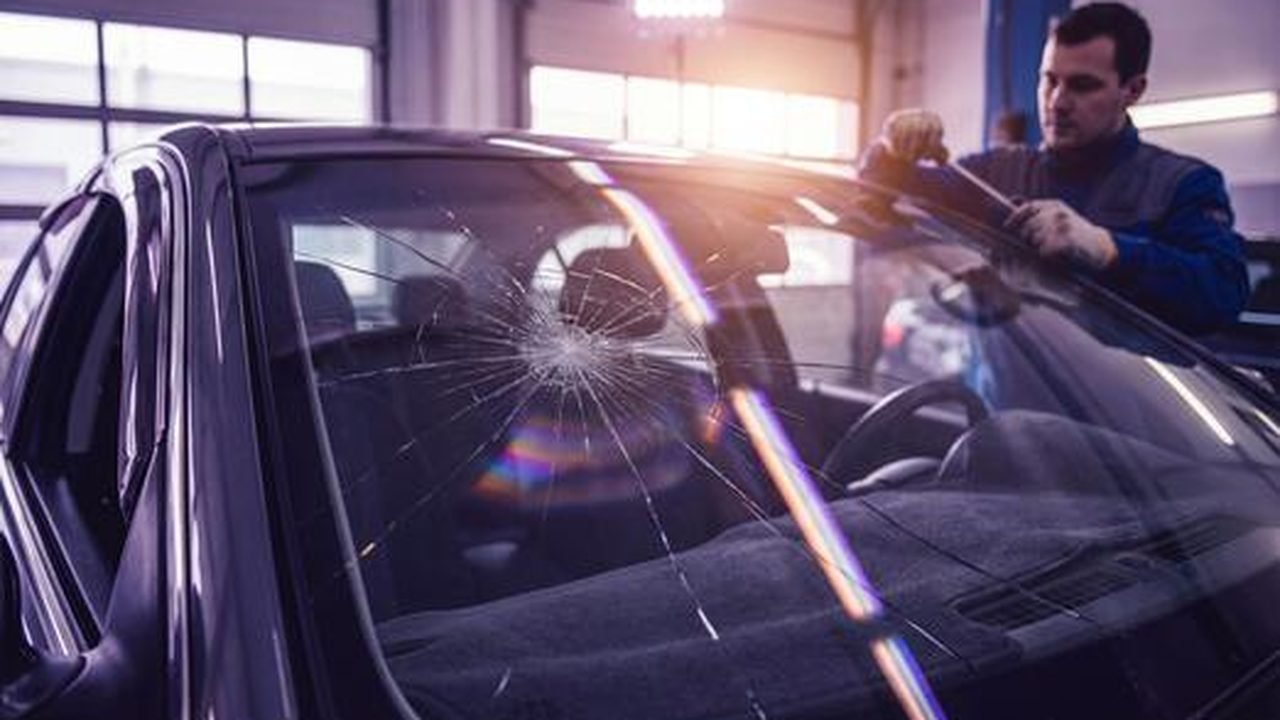
For drivers, the practical result is that minor damage is almost never worth claiming. A $900 windshield replacement or a $1400 fender bender falls entirely below the deductible, so you pay the whole bill yourself. Only damage well above $2500 triggers any payment from Uber insurer.
How Lyft Compares
Lyft uses the same $2500 deductible on its contingent collision and comprehensive coverage during the equivalent active trip periods. The structure is nearly identical. En route and on trip coverage includes up to $1,000,000 in liability, and your own car is covered up to its actual cash value after you pay the $2500 deductible, as long as you carry comprehensive and collision on your personal policy.
Because both companies land on the same number, switching platforms does not solve the problem. A driver who splits time between Uber and Lyft faces the same $2500 exposure on either app. The National Association of Insurance Commissioners publishes state by state guidance on transportation network company insurance rules, which can help you confirm the exact requirements where you drive.
A Claim Example in Dollars
Numbers make this clearer. Imagine you are on a trip and another driver runs a stop sign and hits your front fender. The repair shop quotes $8000. You pay the first $2500, and Uber contingent collision coverage pays the remaining $5500. You are back on the road, but $2500 lighter.
Now imagine the car is totaled. It was worth $15000 in actual cash value the moment before the crash. Uber insurer pays $15000 minus the $2500 deductible, so you receive $12500. If you still owe $14000 on your auto loan, you are left with a $1500 shortfall plus no car. This is why many finance experts suggest gap insurance for drivers with car loans, though that is a separate product from anything Uber provides.
And if the repair costs $2000, below the deductible, there is no claim to file. You pay the full $2000 yourself. When you are ready to report a serious accident, follow the steps in our guide on how to file a rideshare insurance claim after an Uber accident, and report the crash through the driver app as soon as it is safe to do so.
How to Shrink the Risk
You cannot negotiate the $2500 deductible with Uber, but you can take steps to make it hurt less.
Add a Rideshare Endorsement
Several major auto insurers sell rideshare endorsements that you add to your personal policy. Some of these endorsements go further than filling the Period 1 gap. Allstate Ride for Hire, for example, is known for reimbursing the difference between your personal auto deductible and the $2500 rideshare deductible. In plain terms, if your personal deductible is $500, that kind of endorsement can cover the remaining $2000, so a claim costs you only $500. Not every insurer offers this feature, so ask your agent specifically about deductible reimbursement before you buy.
Keep a Repair Fund
Treat the $2500 as a bill you will eventually pay. Many experienced drivers keep a separate savings buffer of at least $2500 that they do not touch for any other purpose. If you drive full time, build it up from your first weeks of earnings. A driver without this buffer who gets into a serious crash can end up unable to repair the car, which means no car, no income, and a claim that still has not been paid.
Consider Vehicle Interruption Coverage
Uber now offers an optional product called Vehicle Interruption Coverage in some states. For a small per mile charge while on trip, it pays a $2500 lump sum if a covered accident or theft leaves your car undrivable for at least 24 hours. It is not a replacement for the deductible, but the payout is sized to match it, which can help you cover the deductible and stay afloat while the car is in the shop. Check the driver app to see if it is available where you drive.
For a quick visual walkthrough of the deductible and how drivers think about it, watch this short video that breaks down the $2500 deductible before your next shift.
Frequently Asked Questions
Does the $2500 deductible apply if the accident was not my fault?
Yes. The deductible applies to damage to your own car no matter who caused the crash. If another driver hits you during Period 2 or Period 3, you still pay the first $2500 of your own repairs under Uber contingent collision coverage, though you may be able to recover that amount from the at fault driver insurer later.
Do I pay the deductible if my car has only minor damage?
If the repair costs less than $2500, you pay the entire bill yourself and there is nothing to claim. The deductible is not a fee you hand to Uber. It is simply the portion of any repair bill that stays your responsibility, so small damage never reaches the insurer.
What happens if I only carry liability on my personal policy?
Then you have no contingent comprehensive or collision coverage from Uber at all. Uber policy for your own car only activates when your personal policy includes comprehensive and collision. With liability only, any damage to your car during a trip comes entirely out of your pocket.
Can I lower the deductible by paying Uber more?
No. Uber does not offer a buy down option for this deductible. The only ways to reduce what you pay in a claim are a rideshare endorsement with deductible reimbursement from your own insurer, or keeping enough savings to absorb the cost without stress.
Does the deductible apply to injuries or damage I cause to others?
No. Liability coverage has no deductible. If you injure someone or damage their property while en route or on a trip, Uber commercial liability policy pays those claims up to its limits without taking $2500 from anyone. The deductible only ever touches repairs to your own vehicle.
Is the deductible the same in every state?
The $2500 figure is Uber standard across the United States, but insurance rules vary by state and some details can differ. Check the certificate of insurance for your state in the driver app under Account and then Insurance to confirm the exact terms where you drive.
The Bottom Line
The Uber $2500 deductible is simply the price of admission for having your own car covered during active trips. It is high compared to a personal auto policy, but it comes with up to $1,000,000 in liability protection and real coverage for your vehicle that most personal policies would deny the moment you turn the app on. Go in with your eyes open. Keep comprehensive and collision on your personal policy, keep $2500 in reserve, ask your insurer about a rideshare endorsement with deductible reimbursement, and you will never be blindsided by this number. Drive safe, and treat that deductible as part of the cost of doing business.