

If you deliver for Uber Eats and crash while carrying an order, will Uber pay to fix your car? The direct answer is mostly no. Uber Eats insurance is built to cover damage and injuries you cause to other people, and your own car is covered only in one narrow situation: if you already carry comprehensive and collision on your personal policy, Uber provides contingent coverage for your car while you are on an active delivery, minus the $2,500 deductible comes out of your pocket before Uber pays anything. If you only carry liability, or if the crash happens while you are waiting for an order, Uber pays nothing toward your vehicle. This guide explains the coverage periods, the deductible rule, and the gaps that catch drivers off guard.
Coverage While You Wait
When you are logged into the Uber driver app and available for requests but have not accepted a delivery, Uber provides contingent third party liability coverage of $50,000 per person for bodily injury, $100,000 per accident, and $25,000 for property damage. Contingent means it only applies if your personal auto insurance does not cover the accident. This is the thinnest coverage in the system, and it includes nothing for your own car. Many drivers spend a large share of their shift in this waiting state, driving between hotspots or parked with the app open, which is why the waiting period is the most dangerous gap in delivery driving. Your personal policy is supposed to be primary here, but most personal policies exclude business use, so a driver without a rideshare endorsement can find that neither policy responds.
Coverage on a Delivery
Once you accept a delivery request, or you are en route to pick up or drop off an order, Uber’s fuller commercial coverage applies. This is the strongest protection in the system, but you need to understand each piece separately.
Liability Up to $1 Million
Uber provides up to $1 million in third party liability for bodily injury and property damage while you are on an active delivery. If you cause a serious crash with an order in the car, this policy responds to claims from the other driver, passengers in other cars, and damaged property. It is the same $1 million structure Uber uses for rideshare trips, applied to deliveries. Like all liability coverage, it pays other people, not you.
Uninsured Motorist Protection
In many states, Uber also provides uninsured and underinsured motorist coverage during active deliveries, up to $1 million in some jurisdictions. This matters because delivery drivers are on the road constantly and cannot control whether the driver who hits them carries insurance. State law shapes the exact limits, so the protection varies, but it is a meaningful layer that many drivers do not know exists.
Contingent Collision and Comprehensive
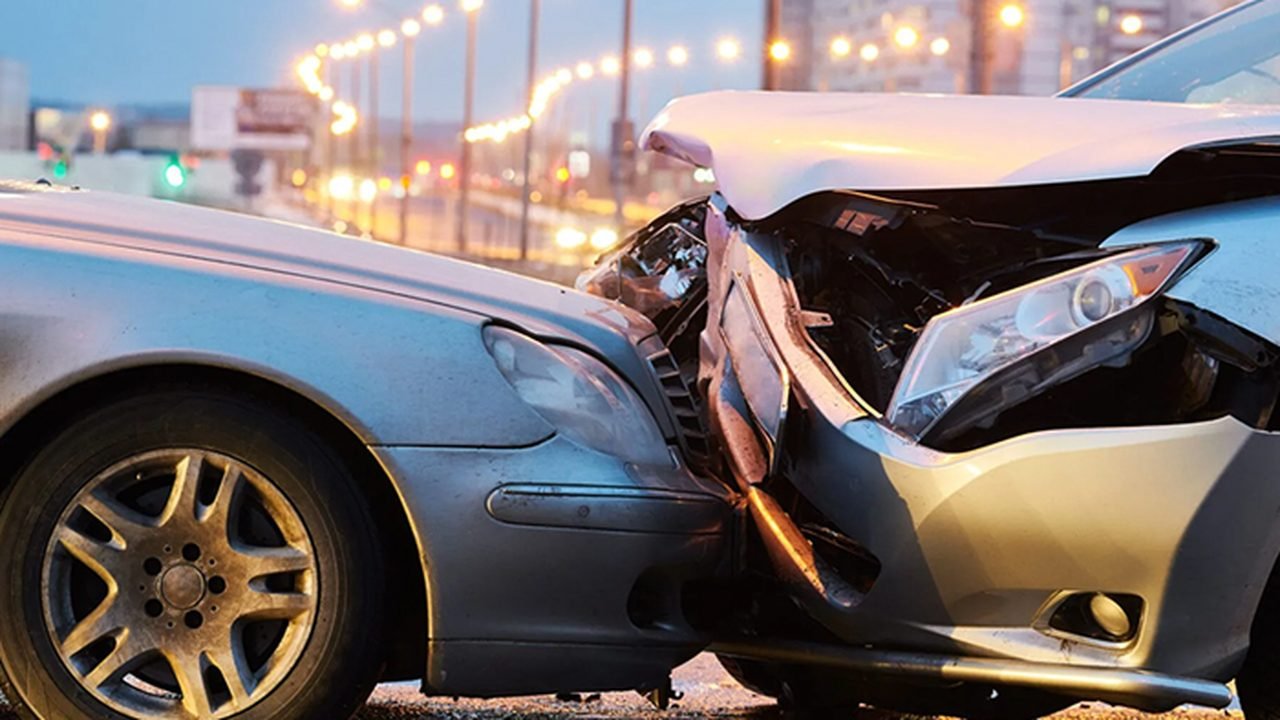
Here is the one path to getting your own car fixed through Uber. If you maintain comprehensive and collision coverage on your personal auto policy, Uber provides contingent comprehensive and collision coverage for your car during an active delivery, up to the actual cash value of the vehicle. Contingent means your personal coverage is supposed to apply first, and Uber coverage fills in where it does not. The catch, and it is a large one, is the $2,500 deductible that Uber applies to this coverage. There is also a second catch: if you do not carry comp and collision personally, this Uber benefit does not exist for you at all.
The Deductible in Plain English
A $2,500 deductible means the first $2,500 of your car repair bill is yours, always. Suppose a crash on a delivery causes $6,000 of damage to your car. You pay $2,500 and Uber contingent coverage can handle the remaining $3,500, assuming your personal collision situation is sorted. If the damage is $2,000, Uber pays nothing and you pay all of it. For drivers of older cars worth $4,000 or $5,000, a $2,500 deductible eats most of the value of the coverage. This is why experienced delivery drivers treat the deductible as a real number in their budget, not as fine print. Keep $2,500 accessible, or reconsider whether the car you are delivering in is the right tool for the job.
Fault Changes Everything
Who caused the crash reshapes the whole picture. If another driver was at fault, their liability insurance is the primary payer for your car repairs and your injuries, just like in any traffic accident. Your delivery status does not weaken their responsibility. Uber uninsured motorist coverage and your own uninsured motorist coverage become relevant when the at fault driver has no insurance or too little of it. If you were at fault, the other party claims against Uber $1 million liability policy, and your car is left to the contingent collision path described above. Hit and run crashes are treated similarly to uninsured driver crashes, which makes uninsured motorist coverage one of the most underrated protections a delivery driver can carry.
Why Your Personal Policy Still Decides
Uber contingent coverage is deliberately designed to sit behind your personal policy, which means your personal policy choices control the outcome more than most drivers realize. No comprehensive and collision on your personal policy means no contingent coverage from Uber, full stop. A business use exclusion on your personal policy can create a fight during the waiting period, when Uber coverage is only contingent and your personal insurer may deny the claim for delivery activity. This is the same disclosure issue that affects DoorDash drivers and their cars in accidents, and the solution is the same: a rideshare or delivery endorsement, typically $15 to $30 per month, that keeps your personal coverage valid while you work. Drivers who run multiple apps should also understand that one insurance policy can cover both Uber and DoorDash, so fixing this once usually fixes it everywhere.
After a Crash: What to Do
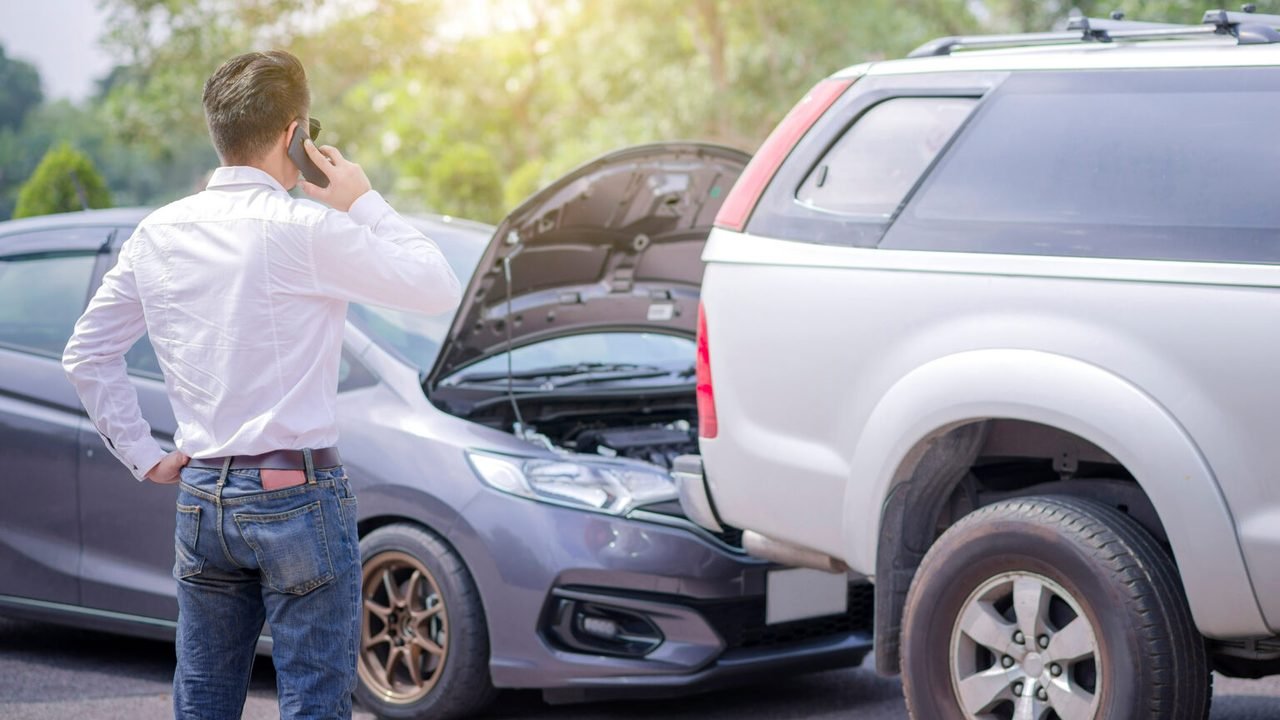
The minutes after a crash matter for both your safety and your coverage. First, check for injuries and call emergency services if anyone is hurt. Second, move to safety and call the police, because a police report anchors every insurance claim that follows. Third, photograph everything: vehicle positions, damage, license plates, the food order in your car, and the surrounding road. Fourth, screenshot your app status showing the active delivery, because coverage depends on what the app showed at the moment of impact, and app glitches do happen. Fifth, report the incident through the Uber driver app. Sixth, notify your personal insurer honestly about the delivery activity. Drivers sometimes fear that honesty will get a claim denied, but dishonesty is what gets claims denied and policies canceled. If you are delivering in a leased vehicle, the stakes are even higher, so review whether you can drive for Uber with a leased car in 2026 before you sign anything.
FAQs
Does Uber Eats cover my car if I only have liability?
No. Uber contingent collision and comprehensive coverage only exists if you carry those coverages on your personal policy. With liability only, there is no path to Uber paying for your car repairs. You would rely on the at fault driver policy or pay out of pocket.
Who pays if another driver hits me on a delivery?
The at fault driver liability insurance pays first. If they are uninsured or underinsured, Uber uninsured motorist coverage during an active delivery and your own uninsured motorist coverage can step in. Your delivery status does not reduce the other driver responsibility.
Is the deductible really $2,500?
Yes. Uber states a $2,500 deductible on its contingent comprehensive and collision coverage for delivery drivers. It applies per incident, and it comes out of your pocket before Uber contributes anything toward your car repairs.
Does the coverage work for bikes or scooters?
Uber auto insurance terms are written for motor vehicles. Bike and scooter couriers operate under different arrangements, and the contingent auto coverages described here do not apply the same way. Check Uber current courier terms for your mode of transport.
What if the app glitched and showed me offline?
App status at the time of the crash is central to every coverage decision, which is why screenshots matter. If the app incorrectly showed you offline during an active delivery, document everything immediately: the order details, timestamps, messages with the customer, and GPS history. Disputes are winnable with evidence.
A Final Word
Uber Eats insurance is generous toward the people you might hit and cautious toward your own car. The $1 million liability limit is real protection for third parties, but your vehicle depends on a chain of conditions: your own comp and collision, a proper endorsement, an active delivery, and a $2,500 deductible you can absorb. Read Uber own terms at Uber official driver insurance page, compare them with independent explainers, and make sure your personal policy is set up for delivery work before you need it. The Insurance Information Institute is a good neutral reference for how these coverage pieces fit together. A driver who understands the system keeps more of every dollar earned on the road.