

Plenty of DoorDash drivers keep their delivery work quiet from their car insurance company, usually because they worry the premium will jump. The honest answer to what happens if you stay silent is uncomfortable: your claim can be denied, your policy can be canceled, and you can be left personally responsible for damage and injuries after a crash. Almost every standard personal auto policy in the United States excludes coverage when your car is used for business, and delivering food for pay counts as business use in the eyes of every major insurer. DoorDash does provide some liability protection while you are on an active delivery, but it is limited, it sits on top of your own policy rather than replacing it, and it does nothing to protect you if your insurer decides you broke the terms of your contract. This guide walks through exactly what is at stake, how insurance companies find out, and the simple steps that keep you properly covered. In short, if you don’t tell your insurance about your DoorDash work, you are driving without valid coverage.
Why Personal Policies Exclude Deliveries
To understand the risk, you have to understand how a standard personal auto policy is written. Most insurers in the United States base their policies on a standard form that contains a business use exclusion. In plain language, the policy will not cover liability, medical payments, or damage to your car if the vehicle is being used for business purposes at the time of the loss. Courts and regulators have consistently treated app based food delivery as a business purpose because you are using your car to earn income, not to run personal errands.
There is also a related exclusion for carrying goods for a fee, sometimes called the livery or conveyance exclusion. It does not matter that you are delivering tacos instead of passengers. The moment money changes hands for the use of your car, your personal policy treats the trip differently. The fact that DoorDash classifies you as an independent contractor does not help, because the exclusion is about how the car was being used, not about your employment label.
Insurers price personal policies for commuting, school runs, and weekend trips. Delivery driving means far more miles, more time in busy areas, more parking lot maneuvers, and more late night driving. That is a different risk profile, and insurers want to underwrite it separately and charge for it. When you hide that use, you are paying the price of a low risk driver while presenting the risk of a commercial one, and that mismatch is exactly what gives an insurer grounds to act.
What Insurers Can Legally Do
Once an insurer learns you were dashing without the proper coverage, it has several tools, and none of them are gentle. What happens in your case depends on your state, your policy language, and whether a claim is involved, but the options below are all real.
Deny a Claim After a Crash
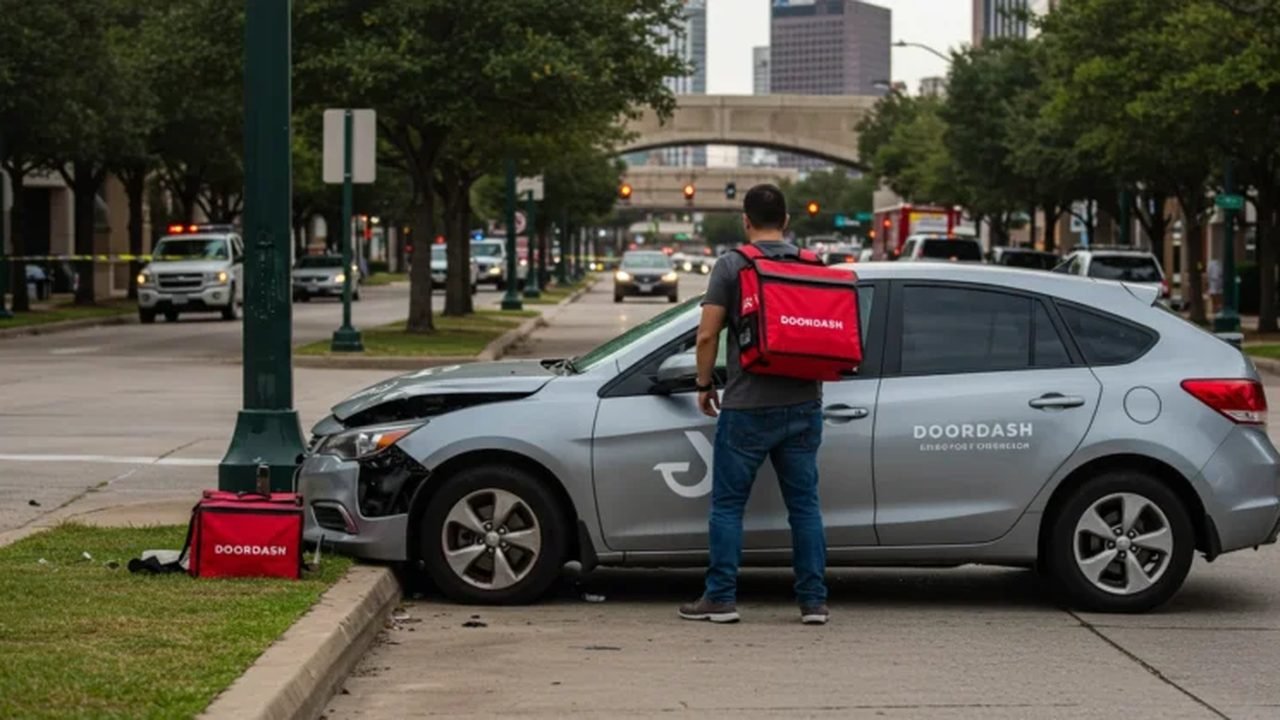
This is the most painful outcome and the most common one drivers ask about. Imagine you are rear ended on the way to a drop off, or you slide into another car in the rain with a hot bag in the passenger seat. You file a claim expecting your collision coverage to handle the repairs. During the investigation, the adjuster asks what you were doing at the time, checks the police report, or simply looks at your phone records and sees the DoorDash app was active. The denial letter then cites the business use exclusion, and the entire repair bill lands on you. A moderate collision can easily cost $8,000 to $18,000 in repairs, and if someone is hurt, medical and legal costs can climb far higher. DoorDash carries excess liability coverage for damage you cause to other people during an active delivery, but that coverage does not fix your car and does not erase the fact that your own insurer walked away.
Cancel the Policy Mid Term
Beyond denying a single claim, an insurer can cancel the policy itself for material misrepresentation, which means you gave incomplete or misleading information about how the car would be used. Most states allow insurers to cancel freely within the first 60 days of a new policy, and after that they need a valid reason. Undisclosed commercial use generally qualifies as a valid reason. A mid term cancellation is worse than it sounds, because your next insurer will ask whether you have ever been canceled, and a yes answer pushes you into higher risk pricing for years.
Refuse to Renew
Even if no claim is ever filed, an insurer that discovers delivery driving at renewal time can simply decline to offer you another term. Nonrenewal is legal in most states as long as the insurer gives proper notice, and unlike a cancellation it does not always carry the same stigma, but you still lose any loyalty discounts and tenure benefits you had built up. Shopping for a new policy with a recent nonrenewal on your record is rarely a pleasant experience.
Demand Back Premium
Some insurers take the position that you owe the premium difference for the coverage you should have been carrying. If a delivery endorsement would have added $25 per month and you dashed undeclared for a year, the insurer may bill you for the $300 difference. Not every company does this, but the policy language often gives them the right, and it is one more bill arriving at the worst possible moment.
Leave You Exposed to Lawsuits
The nightmare scenario is an accident with serious injuries while your personal coverage is void and DoorDash coverage does not fully apply. Remember that DoorDash coverage is excess, meaning it only steps in after your own policy, and it only applies during specific app periods. If your own policy is voided for misrepresentation, the injured party and their attorney will look to your personal assets. Wage garnishment and liens are extreme outcomes, but they are the reason insurance exists in the first place, and driving without valid coverage invites them.
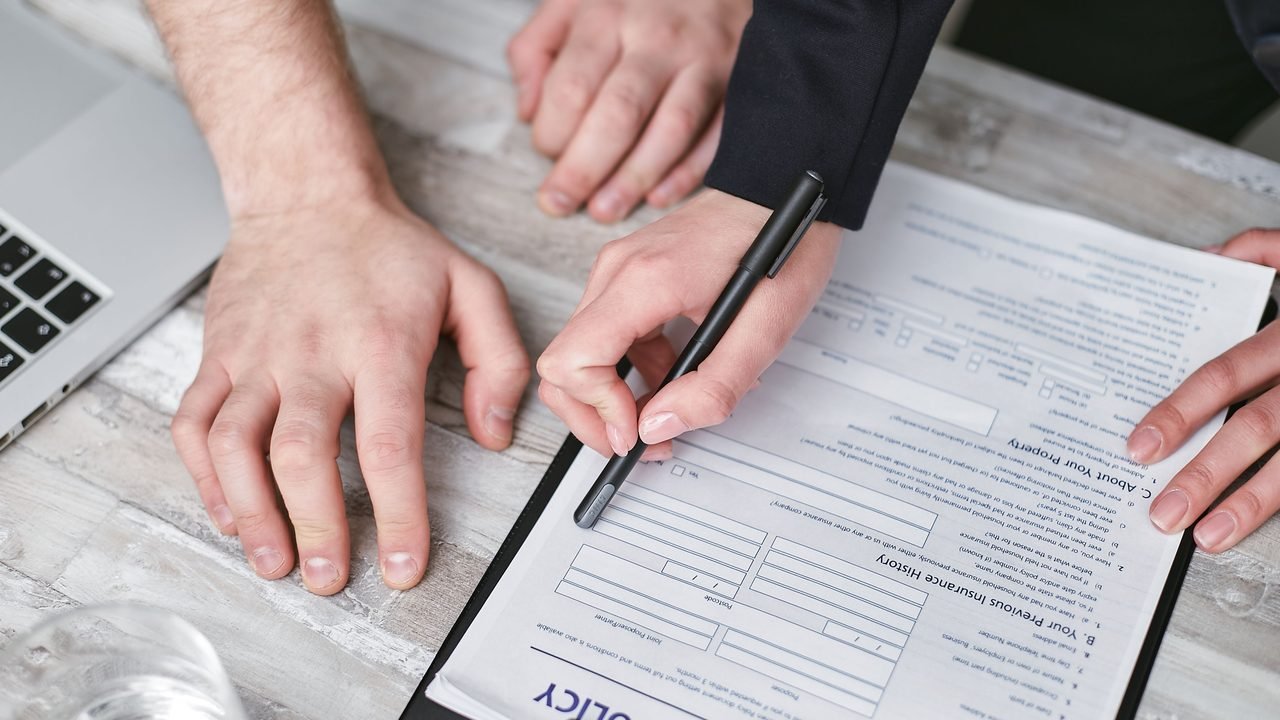
How They Usually Find Out
Drivers often assume the insurer will never know, but discovery is far more routine than most people think. You do not need to be caught in some dramatic investigation. Ordinary claims handling does the job.
During a Claim Investigation
Adjusters are trained to ask what you were doing at the time of the loss, where you were headed, and whether anyone else was in the car. Police reports sometimes note a delivery bag or a thermal bag in the vehicle. If there is any hint of commercial activity, the adjuster will dig deeper, and phone records showing the DoorDash driver app open at the time of the crash are difficult to explain away. Screenshots of your dasher app, timestamps of accepted orders, and GPS data can all become part of the file.
At Renewal Time
Underwriters periodically review policies, and a sudden jump in annual mileage is a classic red flag. If you told your insurer you drive 8,000 miles a year for commuting and your odometer shows 28,000, questions follow. Some insurers also ask directly about gig or delivery work on renewal questionnaires. Answering dishonestly at that point compounds the original problem.
Through Shared Industry Data
Insurers share claims history through industry databases, so a claim filed under one policy can surface when you apply for another. Telematics programs and connected car data add another layer. None of this requires DoorDash to report you. In fact, DoorDash does not notify your personal insurer about your dasher activity. The discovery almost always comes from the normal machinery of claims and underwriting, which is why it feels sudden when it happens.
What DoorDash Covers on Its Own
It helps to be precise about what DoorDash actually provides, because misunderstanding it is how drivers get into trouble. According to the DoorDash official insurance guide, coverage depends on your app status. During the Delivery Available Period, when you are logged on and waiting for an order, DoorDash provides $50,000 per person and $100,000 per accident in bodily injury liability, $25,000 in property damage liability, and uninsured motorist coverage of $25,000 per person and $50,000 per accident. During the Delivery Service Period, from the moment you accept an order until it is delivered, DoorDash provides up to $1 million in combined liability coverage. If you want the full picture of what DoorDash covers in a crash, that breakdown is worth reading.
The Right Way to Stay Covered
The fix is simpler and cheaper than most drivers fear. You do not need to quit dashing or buy an expensive commercial policy in most cases. You need to align your policy with reality.
Disclose Before Anything Happens
Call your agent or insurer and say plainly that you deliver for DoorDash. Disclosure before a claim is always better than discovery after one. Many insurers will simply add a rideshare or delivery endorsement to your existing policy. The conversation takes a few minutes, and in many cases the premium change is modest. Drivers who have been through a denied claim consistently say they wish they had made this call sooner, and the same question of whether your insurer can drop you for driving Uber without telling them comes up constantly, with the same answer: tell them first and the risk mostly disappears.
Add a Delivery Endorsement
A rideshare or delivery endorsement is an add on to your personal policy that fills the gap between personal use and the platform coverage. It typically costs around $15 to $30 per month according to 2026 market data, which is a fraction of one denied repair bill. The endorsement keeps your collision and comprehensive coverage intact while you are logged into delivery apps. Availability varies by state and carrier, so if your current insurer does not offer one, that is a signal to shop around rather than a reason to stay silent. The same logic applies when telling your insurer about Lyft driving, since the underlying principle is identical across every gig platform.
Consider Commercial Coverage
Full time dashers, drivers with expensive vehicles, or drivers whose insurer will not offer an endorsement may need a commercial or hybrid auto policy. These typically run $150 to $300 per month, which sounds steep until you compare it against the cost of one uncovered accident. For most part time dashers, the endorsement is the sweet spot, but the right answer depends on your hours, your car, and your state.
If a Claim Was Already Denied
If you are reading this after receiving a denial letter, do not panic and do not try to fix it by bending the truth further. Read the denial carefully to see exactly which exclusion was cited. You have the right to appeal through the insurer internal process, and you can file a complaint with your state department of insurance if you believe the denial was wrong. An attorney who handles auto coverage disputes can tell you in one consultation whether the denial is solid. What you should not do is file a second claim with a different story, because inconsistent statements can turn a coverage problem into a fraud problem, and that is a far deeper hole.
FAQs
Will my insurer find out if I never file a claim?
Maybe not, but it only takes one crash to trigger an investigation, and adjusters check for commercial activity as a matter of routine. The risk is asymmetric: you save a small amount on premium while gambling with the full cost of an accident. Most drivers who get caught say they never expected a routine claim to turn into a coverage fight.
Does DoorDash report drivers to insurance companies?
No. DoorDash does not notify your personal insurer about your dasher activity. Discovery happens through the normal claims process, through underwriting reviews, and through data like mileage and app records. The absence of reporting from DoorDash is not protection, because insurers have their own ways of learning the truth.
Is hiding delivery work considered fraud?
Deliberate misrepresentation on an insurance application or renewal can be treated as fraud, and in serious cases an insurer can void the policy from the beginning as if it never existed. Even when it does not reach the level of fraud, a business use exclusion alone is enough to deny a claim. Honesty is the only safe position.
How much extra will proper coverage cost?
A delivery or rideshare endorsement typically adds $15 to $30 per month to a personal policy, based on 2026 pricing data from sources like Everlance. Full commercial policies cost more, generally $150 to $300 per month. Either option is far cheaper than paying for one denied accident out of pocket.
Can I get covered after an accident already happened?
You can buy proper coverage for the future starting today, and you should. But no policy covers a crash that already occurred, so the denied claim stays denied. The goal now is to make sure the next incident, if one happens, is fully covered.
A Final Word
Hiding DoorDash driving from your insurer is a short term saving with a long term price tag. The business use exclusion is standard, the discovery methods are routine, and the consequences range from a denied repair bill to a canceled policy and personal liability. The fix is a phone call and, in most cases, a modest endorsement that costs less per month than a single tank of gas. Make the call this week, get the coverage in writing, and dash with the confidence that one bad moment on the road will not undo months of earnings. For background on how platform coverage fits together, the Insurance Information Institute and the National Association of Insurance Commissioners are both solid starting points.
[…] or rideshare endorsement, it can deny the collision claim under that exclusion. This is exactly why hiding DoorDash work from your insurer is so dangerous. The endorsement, which typically costs $15 to $30 per month, is what keeps your […]